
Endorsed Project
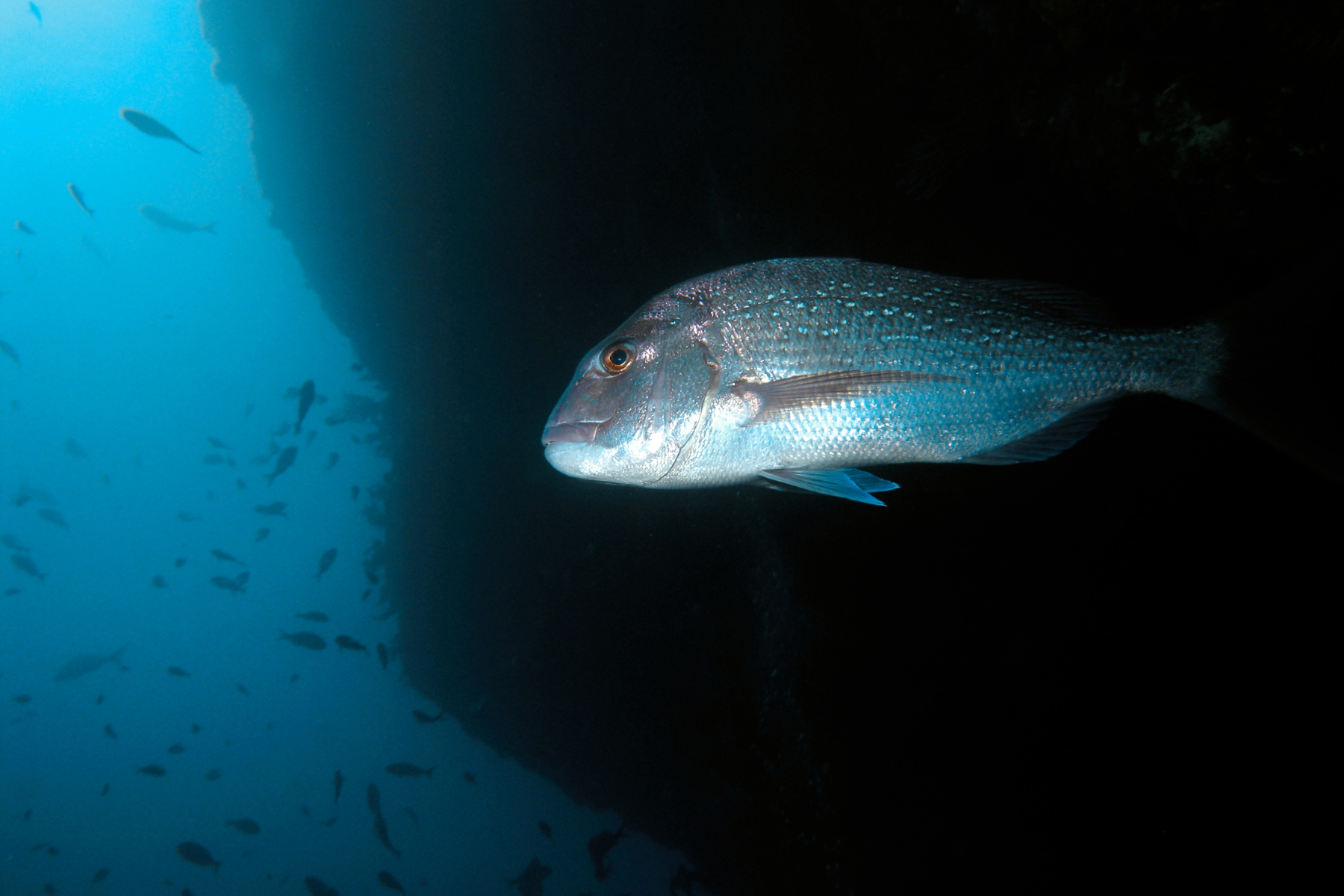
Snapper Protection Project
Agency funded: proposed with University of Auckland researchers, NIWA and LegaSea
Moana Mark is backing a fisher-led effort to find out why Hauraki Gulf snapper are vanishing, and why so many of the fish still caught are starving.
Did you know?
Hauraki Gulf snapper have fallen more than 80% since people arrived, and around one in five snapper in the inner Gulf have been found with soft, milky flesh, a sign the fish are starving, though still safe to eat.
Why study snapper?
Fishers are catching fewer snapper than ever, and the fish they do catch are often in poor condition. Their food is collapsing, from overfished baitfish to kelp forests lost to kina barrens and warmer water.
Fishers see all of this first, but there is no lasting way to capture what they know.
How are they studied?
The project turns everyday fishing trips into data, with fishers logging their catch and the condition of the fish, flesh and gills, alongside sea-temperature and plankton records, working with the researchers already studying milky-flesh snapper.
What does this research tell us?
A real-time, Gulf-wide picture of where the snapper are, where they are not and how healthy they are, and whether the pale, milky gills fishers report are the same starvation signal or something new.
How does this help protect them?
The data strengthens the case for protecting and rebuilding the Gulf, helps guide fishing rules with real evidence, and gives fishers a genuine voice in the science.
Help us find out why our snapper are starving by putting fishers at the heart of the science.
Project Spotlight



Ready to support?
Whether you're an individual wanting to give back, or a business ready to lead in sustainable tourism, there's a way to make your mark.
Donate as an Individual
