
Endorsed Project

Sentinels of the Sea: Protecting New Zealand Dolphins from a Rising Tide of Pollution
Supported by

Understanding Ocean Health Through Dolphin Research, Led by Massey University's Cetacean Pathology Unit
New Zealand's dolphins are swimming in an increasingly toxic ocean — and they're paying the price with their health.
This project investigates how pollution is affecting their health, by studying disease, contaminants and emerging threats. Researchers are building the knowledge needed to better protect our marine mammals and the ecosystems they call home.
In short: our oceans are getting sicker, and our dolphins are showing it first.
-
Dolphins are sentinels for the state of our oceans. What harms them today is a warning of what's coming for the wider marine environment, the fisheries we depend on and, ultimately, us. Right now, the warning signs are stacking up fast.
This research helps scientists understand:
How pollution affects dolphin health
The impacts of microplastics and chemical contaminants
How disease and contaminants interact
What these changes reveal about the health of our oceans
-
What the science is already telling us is alarming:
Every single dolphin examined by Massey's team over a two-year period had microplastics in its stomach.
New Zealand dolphins are carrying PFAS "forever chemicals" at levels rivalling those found near Asian industrial manufacturing zones — in what we like to think of as a clean, green ocean.
Banned decades ago, legacy toxins like DDT and PCBs are still turning up at record-high levels in our killer whales and dolphins.
Animals with high contaminant loads are showing signs of accelerated biological ageing, weakened immune systems and reproductive stress — early red flags that populations may be heading into decline.
-
The research is led by Massey University's Cetacean Pathology Unit (CPU), New Zealand's only dedicated marine mammal pathology facility.
Researchers use:
BIOCET, one of the Southern Hemisphere's largest whale and dolphin tissue archives
Advanced laboratory testing and diagnostic techniques
Disease screening across multiple marine mammal pathogens
Long-term monitoring of dolphin health
-
By improving our understanding of pollution and disease, this project helps guide conservation decisions that protect both dolphins and the marine environment as a whole.
It also builds long-term scientific capability, ensuring New Zealand has the tools and knowledge to respond to emerging threats facing our marine mammals.

Your donation supports world-leading research helping protect the future of New Zealand's dolphins and our moana.
Project Timeline
This is an ongoing long-term research programme focused on:
Disease screening
Pollution and contaminant analysis
Marine mammal health monitoring
Diagnostic tool development
Building New Zealand's marine disease response capability
Professor Karen Stockin, Lead Researcher
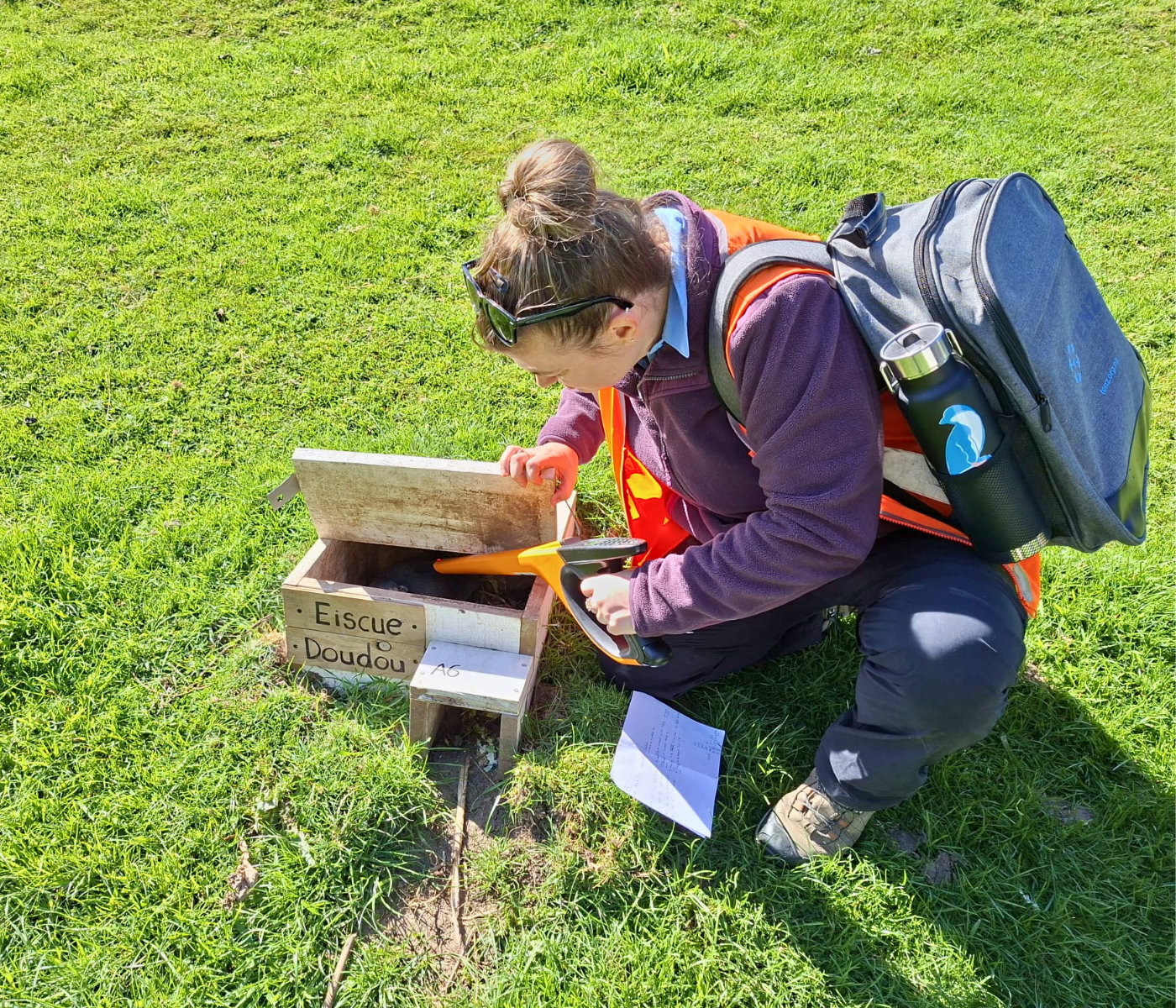

The team on the front line, Massey University's Cetacean Pathology Unit (CPU), led by Professor Karen Stockin, is the country's only purpose built facility investigating marine mammal health.
CPU host the largest whale and dolphin tissue archive (BIOCET) in the southern hemisphere — over 20,000 tissue samples from more than 35 species, curated since the early 1990s – an irreplaceable national taonga.
Their world-class imaging and associated diagnostic work lets them examine these animals and uncover exactly what pollution, disease and human pressure are doing to them.
They work within a "One Health" framework — recognising that the health of the ocean, the health of wildlife and the health of New Zealanders are inseparable.
Professor Stockin's international standing includes her prior appointment as the inaugural Strandings Coordinator for the International Whaling Commission and current Chair of the Ethics Committee for the Society for Marine Mammalogy.
This is the team with the expertise, tissue accessibility and the global credibility to turn alarming findings into real protection for our marine life.

Can You Support Dolphin Research?
Your support will directly fund the CPU to investigate how pollution is undermining the health and survival of New Zealand's dolphins — and to build the tools to fight back. Simply click one of the Learn More buttons below. In the donation link, you'll have the option to select the Sentinels of the Sea: Dolphin Research Project from the drop-down menu.

Donate as an Individual
